

 by
by Religion has been one of the most powerful forces shaping human history, culture, and personal identity. From ancient rituals practiced thousands of years ago to modern belief systems followed by billions today, religions of the world help people make sense of life’s biggest questions: Why are we here? What is right and wrong? What happens after death?
While doctrines, practices, and traditions vary widely, religions share a common purpose — offering meaning, moral guidance, and a sense of belonging. In an increasingly globalized world, understanding different religions is not only about faith but also about empathy, coexistence, and cultural awareness. Exploring global religions can even spark unexpected connections, much like discovering shared values on a random date generator such as One Date Idea, where curiosity and openness lead to meaningful experiences.
Major Religions of the World
The world’s religions can be broadly divided into a few major traditions based on geography, beliefs, and historical origins. Together, they represent the spiritual lives of most of humanity.
Christianity
Christianity is the world’s largest religion, with over two billion followers. It is based on the life and teachings of Jesus Christ, emphasizing love, forgiveness, and salvation. Christians believe in one God and follow the Bible as their sacred text. Christianity has many denominations, including Catholicism, Protestantism, and Orthodoxy, each with unique traditions but shared core beliefs.
Islam
Islam is the second-largest religion globally and centers on belief in one God (Allah) and the teachings of the Prophet Muhammad. Muslims follow the Quran and practice the Five Pillars of Islam, which include prayer, fasting during Ramadan, charity, pilgrimage to Mecca, and declaration of faith. Islam strongly emphasizes community, discipline, and compassion.
Hinduism
Hinduism is one of the oldest living religions, originating in the Indian subcontinent. Rather than a single founder or scripture, it consists of diverse philosophies, rituals, and beliefs. Concepts such as karma, dharma, reincarnation, and moksha (liberation) are central. Hinduism embraces many paths to spiritual truth, making it deeply flexible and personal.
Buddhism
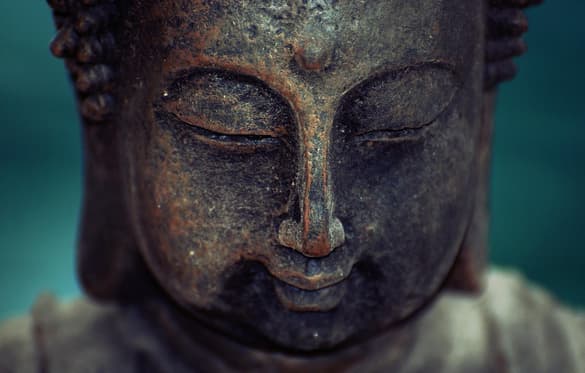
Founded by Siddhartha Gautama (the Buddha), Buddhism focuses on overcoming suffering through wisdom, ethical living, and mental discipline. The Four Noble Truths and the Eightfold Path guide practitioners toward enlightenment. Buddhism is non-theistic, emphasizing personal experience and mindfulness over worship of a creator god.
Judaism
Judaism is one of the oldest monotheistic religions and the foundation for both Christianity and Islam. Jewish beliefs center on a covenant between God and the Jewish people, guided by the Torah. Traditions, laws, and rituals play a central role, reinforcing community identity and moral responsibility.
Indigenous and Folk Religions
Beyond major global religions, countless indigenous and folk belief systems continue to thrive. These religions are often deeply connected to nature, ancestors, and local traditions.
African traditional religions, Native American spiritual practices, and Aboriginal belief systems emphasize harmony with the natural world and respect for ancestral spirits. These traditions may not have written scriptures but are preserved through oral storytelling, rituals, and ceremonies passed down through generations.
Such belief systems highlight that spirituality does not require global scale to be meaningful. They remind us that faith can be intimate, local, and woven directly into daily life.
Shared Values Across Religions
Despite theological differences, many religions share strikingly similar moral principles. Concepts like compassion, honesty, generosity, respect for others, and care for the vulnerable appear across cultures and traditions.
The “Golden Rule” — treating others as you wish to be treated — exists in Christianity, Islam, Buddhism, Hinduism, and many indigenous belief systems. These shared values show that while rituals may differ, the ethical foundations of humanity are deeply connected.
In modern society, recognizing these similarities helps reduce misunderstanding and conflict. Just as discovering common interests can bring two people closer on a first date, finding shared values across religions fosters mutual respect and peaceful coexistence.
Religion in the Modern World
Today, religion continues to evolve. Some societies are becoming more secular, while others maintain strong religious identities. Technology, migration, and globalization have brought different faiths into closer contact than ever before.
Interfaith dialogue, online religious communities, and cross-cultural relationships are increasingly common. People now encounter belief systems far outside their upbringing — sometimes through travel, sometimes through friendships, and sometimes even through dating experiences inspired by platforms like One Date Idea, where shared curiosity can open doors to conversations about culture, values, and faith.
At the same time, religion still plays a vital role in shaping politics, social movements, holidays, art, and family traditions. Whether practiced devoutly or explored philosophically, religion remains deeply relevant.
Conclusion
The religions of the world reflect humanity’s endless search for meaning, purpose, and connection. From the structured doctrines of major global faiths to the intimate rituals of indigenous traditions, religion continues to influence how people live, love, and understand the universe.
Learning about different religions is not about choosing a belief but about appreciating diversity and recognizing shared humanity. Just as a random date generator like One Date Idea encourages people to step outside routine and explore new experiences, exploring global religions invites us to expand our perspective and deepen our understanding of the world — and each other.